About
Ph.D. in Evolutionary Biology
Senior Population Geneticist in Houston, TX
Email: paulm at genebygene dot com











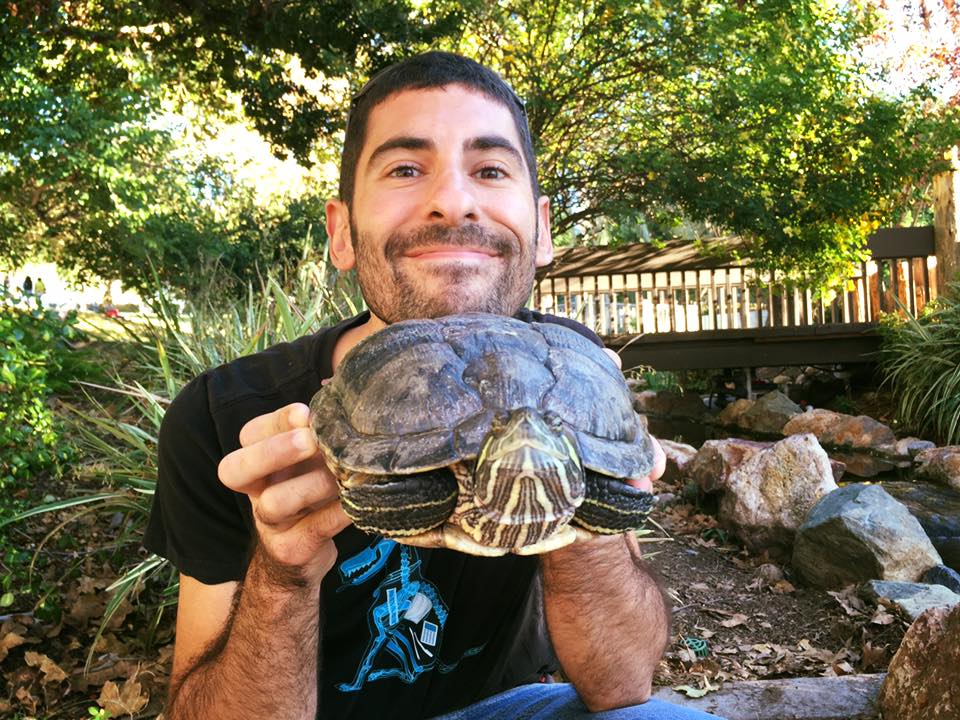 I am a professional Population Geneticist at a genetic genealogy company. I received my Ph.D. from the Bohonak lab at San Diego State University, and the Nunney lab at UC Riverside, where I was an ARCS scholar. I taught a lab course called Genetics and Evolution, an upper division survey of Mendelian genetics, population genetics, and current topics in evolutionary biology. During the academic year of 2016–2017 I served as President of the SDSU Natural History Club, a student-led group dedicated to educating the community about the flora and fauna of southern California, with seminars and field outings. In addition, I am long-time science adviser (and former director) of The Biodiversity Group, a 501(c)(3) non-profit dedicated to documenting overlooked species in underserved places. Professionally, I served as Biologist at the US Geological Survey’s Western Ecological Research Center from 2010 until 2017, originally at the Yosemite Field Station, and later at the San Diego Field Station. Currently, I serve as Senior Population Geneticist for FamilyTreeDNA and Gene by Gene.
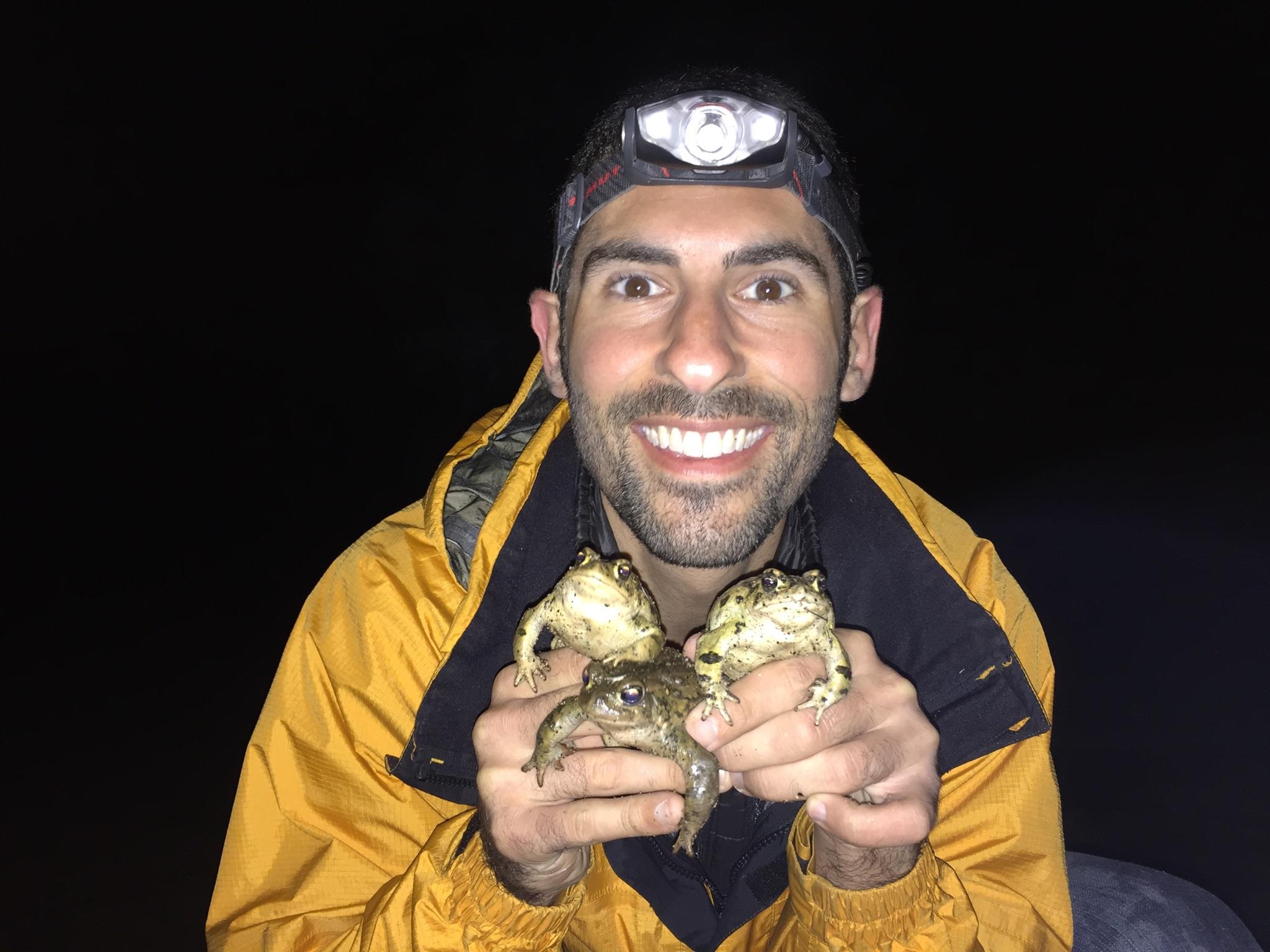 At FamilyTreeDNA I lead population genetics research across mitochondrial, Y-chromosome, and autosomal data for roughly 1.5 million genotyped people, and I built the methods behind Mitotree, the largest human phylogeny yet described, along with myOrigins 3.0, Globetrekker, and the age estimates on both haplotrees. Along the way I have helped work out where Beethoven’s ancestors came from, confirm the remains of two Holy Roman Emperors, and trace a rare skin disease back to a single Sephardic founder. The toads are still going too: fifteen years of fieldwork and genomics on a threatened alpine species.
In my free time, you can probably find me outside, scrambling up a mountain, or photographing a bug in the rain. I truly love the outdoors, wilderness, nature, and exploration. Whenever possible, I spend my time herping, hiking, running, cycling, playing drums or guitar, and flying airplanes. Although I’m not really an artist, I love sharing some of the bizarre or cryptic critters that I encounter while doing fieldwork, which I usually do with macro photography. Check out the Photography section for some examples.
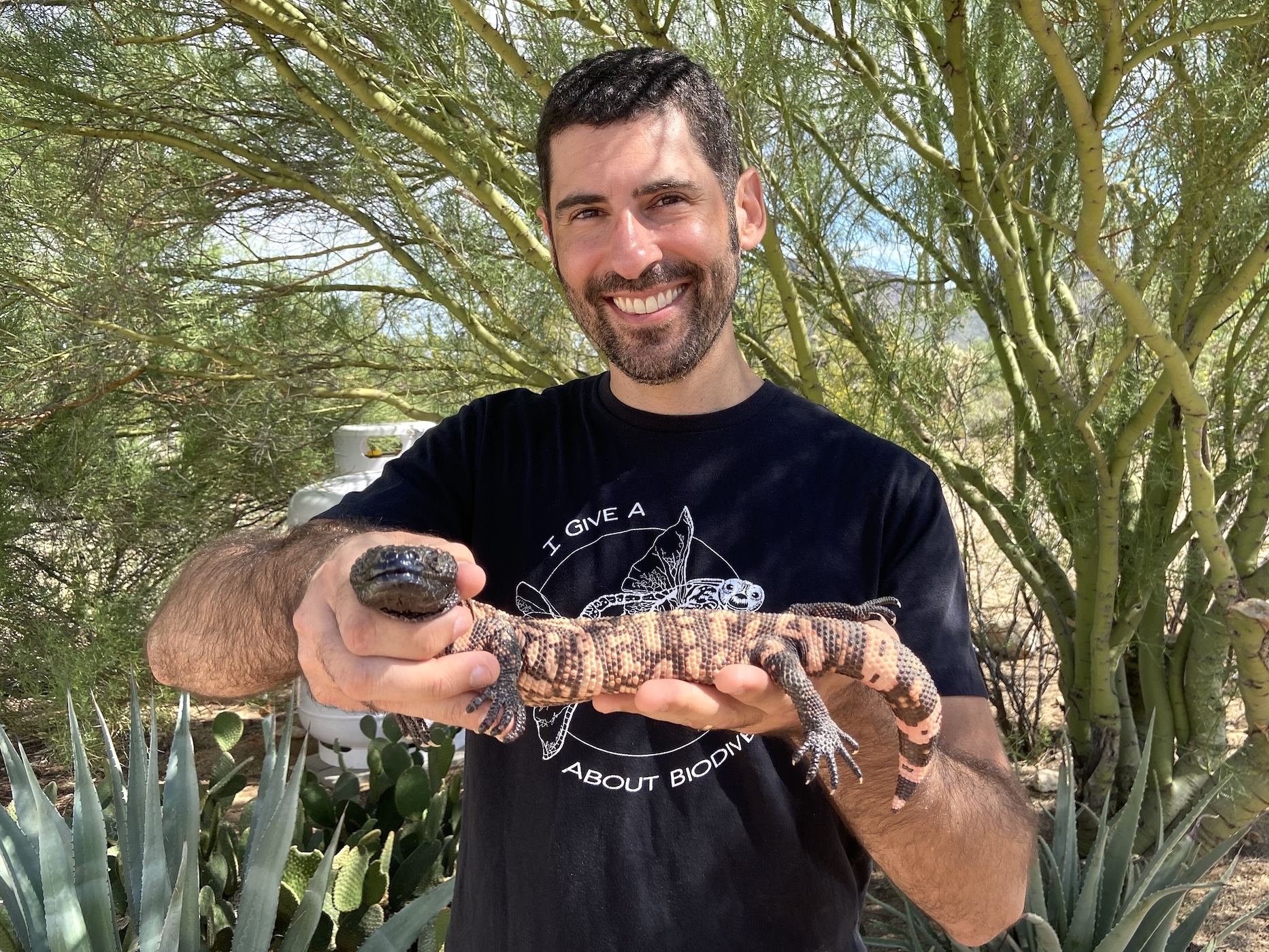 Ultimately, I think many biologists are launched into science by their curiosity for the bizarre. For others, it’s compassion they feel when wildlife seems alien and yet strangely human. Whatever the initial draw, biologists inevitably get sucked into their disciplines, and very quickly stumble into the need for conservation. Very few places on earth are not under overt attack from the insatiable needs of humankind. Hence biologists find the need to build a conservation army, by instilling in other young scientists the same emotions that seduced them to love their particular chunk of nature. That’s why I believe art and photography can be powerful tools for bridging the gaps between science, conservation, and politics, and why you should check out and share my frog and bug photos!
Field crews →Research cohorts →
Almost none of this was done alone.